 Learning Morse Code, or Continuous Wave (CW), is one of the most rewarding skills for amateur radio operators. Although it may seem difficult at first, there are many easy and fun ways to memorize the dots and dashes. This guide will help you learn CW faster and enjoy the process.
1. Understand the Basics of Morse Code
Morse Code is a system of dots (•) and dashes (–) that represent letters and numbers. In CW operation, these are transmitted as short and long tones.
For example:
-
A = • –
-
B = – • • •
-
C = – • – •
Before memorizing, take time to understand the rhythm — CW is all about sound and timing, not visual memorization.
2. Learn by Sound, Not by Sight
One common mistake is trying to memorize Morse Code as visual symbols. Instead, learn it by listening.
Use CW training software or online apps like Morse Runner, LCWO.net, or G4FON Koch Trainer to hear real Morse sounds.
The more you listen, the more natural it becomes — just like learning a new language by ear.
3. Use the Koch Method
The Koch Method is one of the most effective ways to learn Morse Code.
Here’s how it works:
-
Start with only two letters (e.g., K and M).
-
Practice until you can recognize them by sound.
-
Add one new letter each time you reach 90% accuracy.
This method trains your ear to recognize characters automatically, without thinking.
4. Practice in Short Sessions
Short, frequent practice sessions are better than long, tiring ones.
Try 10–15 minutes per day instead of a single long session.
Your brain learns Morse faster when it’s relaxed and consistent.
5. Use Mnemonics and Rhythms
Some operators remember Morse Code using creative mnemonics. For example:
-
C (– • – •) can sound like “Coca-Cola!”
-
Q (– – • –) sounds like “God save the Queen!”
These rhythmic phrases can make learning more fun and memorable.
6. Listen to Real QSOs
Once you know a few letters, start listening to real CW contacts (QSOs) on the amateur bands.
Even if you don’t understand everything, your brain will start to recognize patterns and common words like “CQ,” “DE,” or “73.”
You can find live CW transmissions on bands like 7.000–7.100 MHz (40m) or 14.000–14.100 MHz (20m).
7. Practice Sending with a Key or Paddle
Learning to send Morse helps you memorize it faster.
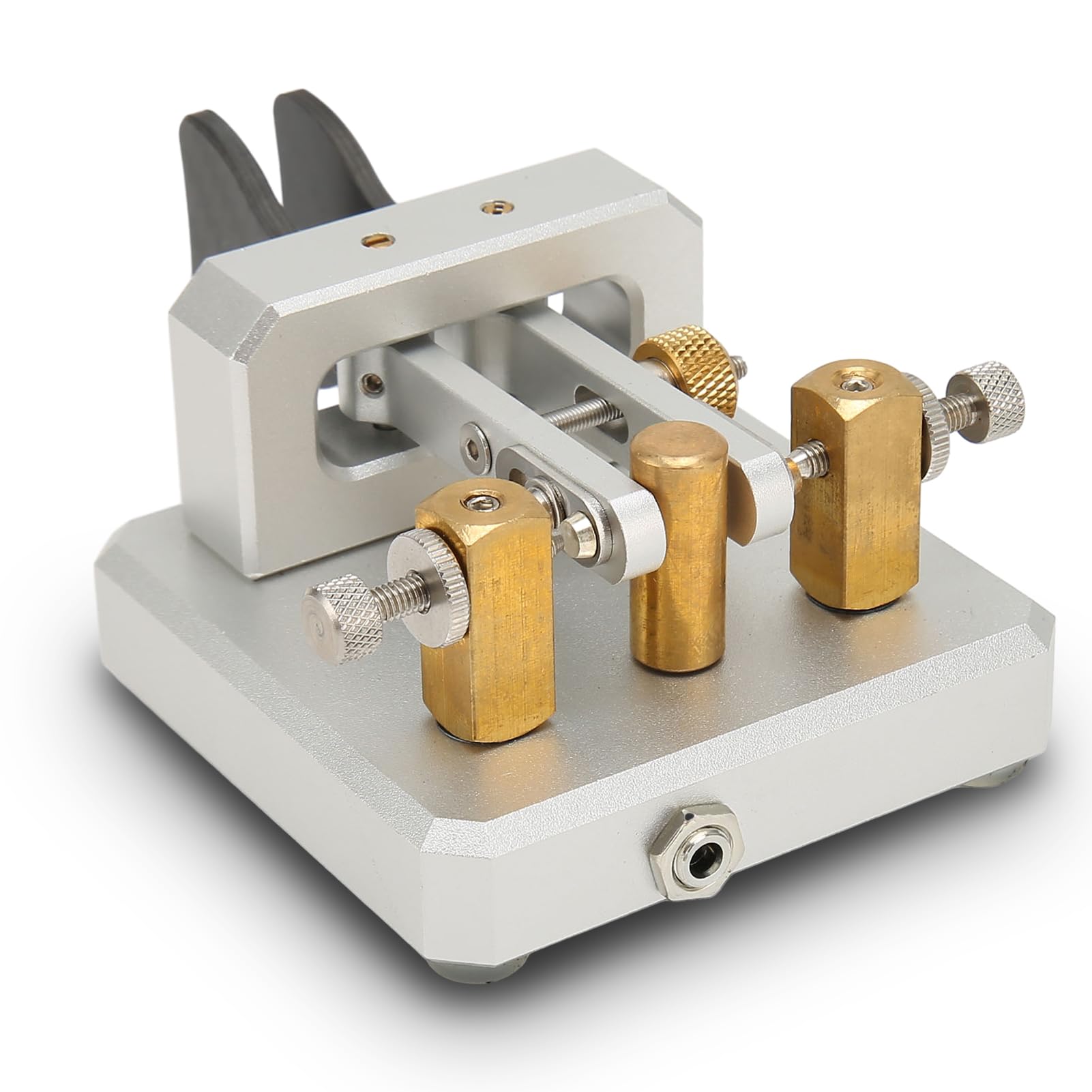
Use a straight key or iambic paddle and practice sending your call sign, common abbreviations, or short messages.
Sending reinforces memory through muscle movement and rhythm.
8. Join a CW Club or On-Air Event
Motivation grows when you share the journey.
Join online groups like CWops, FISTS, or SKCC, or participate in CW contests.
Talking with fellow CW learners keeps you inspired and helps you progress faster.
9. Be Patient and Enjoy the Process
Morse Code isn’t just about communication — it’s a piece of radio history and a mental workout.
Progress may be slow at first, but every session brings you closer to fluency.
Remember: even experienced operators once started with “A” and “B” too!
Final Thoughts
Learning Morse Code (CW) doesn’t have to be hard. By focusing on sound, practicing regularly, and using proven methods like Koch or mnemonics, you can easily master it.
Soon, you’ll be decoding “CQ CQ DE YD2BBI” and enjoying the magic of CW on the air.
73 and good luck with your CW journey!